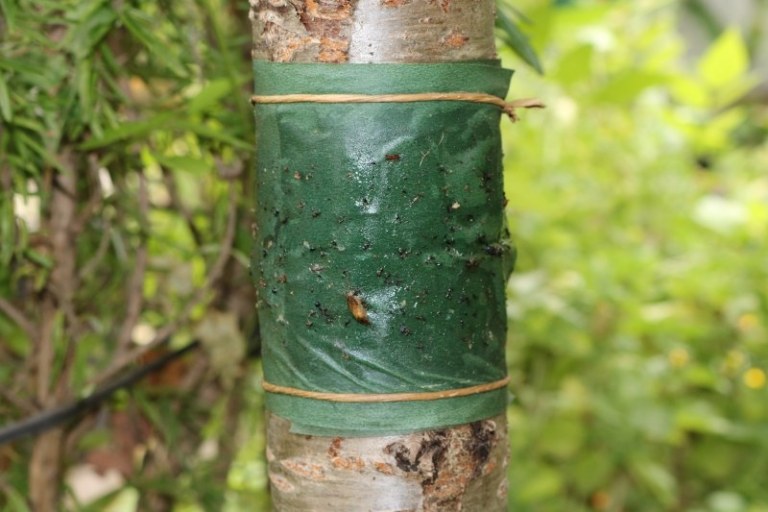
Adhesive Viscosity Guide for Physical Pest Control | The Science of Capture
Sticky Trap Glue Viscosity: The Science of Capture for Physical Pest Control
Sticky trap glue viscosity is the single most critical technical parameter in physical pest control manufacturing. At Shandong Nongzhiwang, we engineer high-performance polymer matrices with precision sticky trap glue viscosity calibrated for specific environmental stressors. Whether you are managing a high-temperature tomato greenhouse or a dusty grain warehouse, selecting the correct sticky trap glue viscosity is the difference between a successful intervention and a failed monitoring program.
Understanding the Rheology of Sticky Trap Adhesives in 2026
In the industrial manufacturing of physical pest control tools, the efficacy of a trap is not determined by the color alone. While spectral attraction draws the pest in, the adhesive viscosity is what ensures the capture is permanent. In 2026, as B2B procurement managers move toward higher technical standards for Integrated Pest Management (IPM), understanding the metrics of glue performance—specifically mPa·s (millipascal-seconds) and coating weight (g/m²)—has become a prerequisite for successful sourcing. Check our wholesale yellow sticky traps for industrial-grade performance.
The Technical Metrics of Sticky Trap Glue Viscosity: mPa·s and Coating Weight
When evaluating a wholesale manufacturer, you must look beyond “stickiness.” There are two primary technical values that define a professional-grade sticky trap glue viscosity specification:
##
1. Dynamic Viscosity (Measured in mPa·s)
The optimal sticky trap glue viscosity for agricultural traps targets a range of 1500 to 2200 mPa·s at application temperatures.
– High Viscosity Benefits: Prevents the glue from “running” or dripping off the card in temperatures up to 45°C. This is critical for vertical hanging traps in high-light greenhouses.
– Low Viscosity Risks: If the glue is too thin, it can absorb into the substrate (especially paper-based traps) or sag under gravity, leaving the top of the card dry and ineffective.
##
2. Glue Coating Weight (Measured in g/m²)
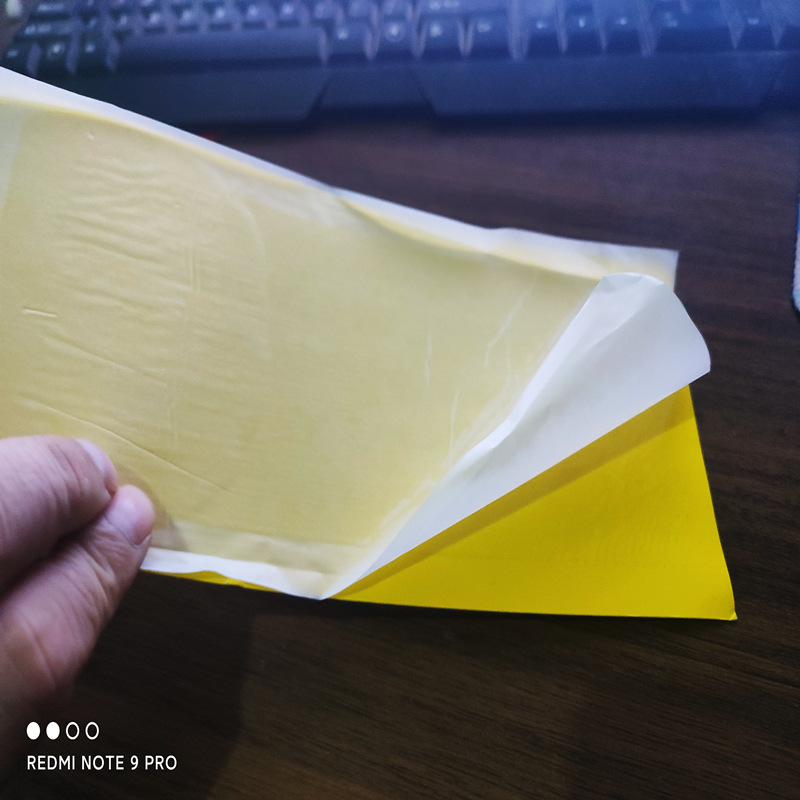
While sticky trap glue viscosity determines how the glue stays on the card, the glue coating weight determines the “depth” of the capture surface. For industrial-scale mass trapping, a weight of 50-60 g/m² is the gold standard.
– Why Weight Matters: A thicker layer of glue can physically submerge the legs and wings of larger, more vigorous insects like houseflies or warehouse beetles. A thin “economic” coating of 20-30 g/m² may capture aphids but will fail against heavier pests. Browse our UV fly trap pads for high-capacity options.
Environmental Stressors: UV Stability and Oxidation
The primary enemy of adhesive performance is UV radiation. In an open-field orchard or a high-UV LED grow room, standard hot-melt adhesives can “skin over” within 14-21 days. Once the top layer oxidizes, it becomes non-tacky, even if the glue beneath is still liquid.
Shandong Nongzhiwang utilizes a proprietary polymer matrix with integrated UV-stabilizers and antioxidant additives. Our traps are rated for 180 days of outdoor stability. This means the sticky trap glue viscosity remains within functional limits for an entire growing season, regardless of solar intensity or rainfall. This is why we are a preferred OEM sticky traps manufacturer for demanding agricultural applications.
Substrate Interaction: How Sticky Trap Glue Viscosity Works with PP, PET, and Cellulose
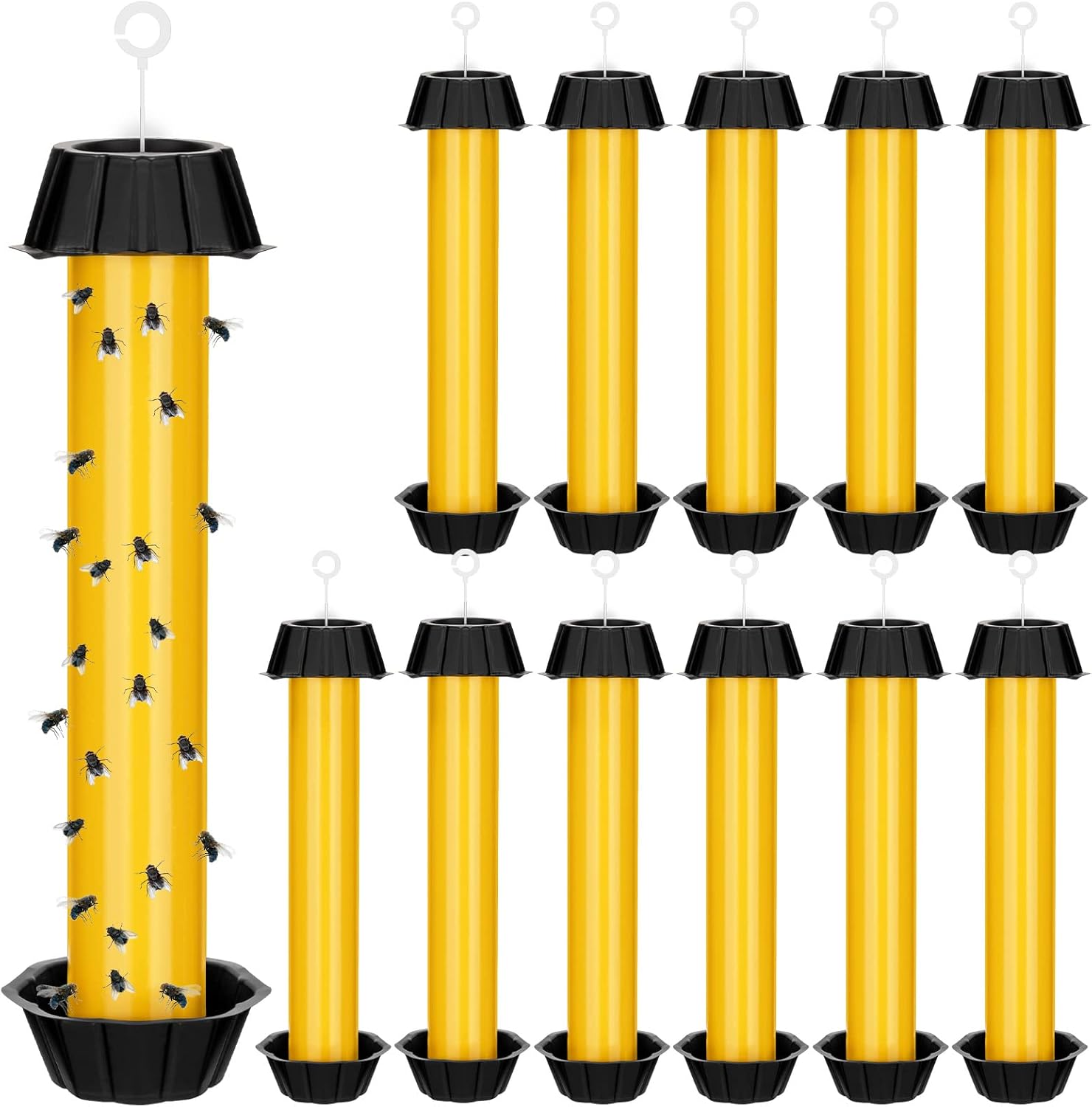
The relationship between sticky trap glue viscosity and the substrate is critical. Our 10,000㎡ facility utilizes 7 automated coating lines that allow for micron-level precision:
– 150-Micron Rigid PP: The low surface energy of Polypropylene requires a high-tack formula to prevent peeling.
– 200gsm Reinforced Cellulose: Biodegradable traps require a specific sticky trap glue viscosity that prevents the adhesive from being absorbed into the wood fibers, maintaining a 100% “active” surface. See our factory capabilities for full manufacturing details.
Why Technical Sourcing Saves Labor Costs
For large-scale facilities, the cost of the trap is only a fraction of the total cost of pest management—the true cost is labor. If a low-quality trap with poor sticky trap glue viscosity fails after 30 days, your labor force must replace it twice as often. By sourcing traps with 90-180 day glue stability, you cut your operational man-hours in half. Our complete product catalog features sticky trap glue viscosity specifications for every application.
Partner with the Technical Experts at Shandong Nongzhiwang
With over 10 years of export experience and a daily capacity of 500,000 units, we provide the industrial consistency your brand demands. We are an ISO 9001 certified manufacturer, and our products carry CE, EPA, and REACH registrations. Sourcing directly from us gives you access to technical entomology data sheets (TDS) and the industry’s most reliable adhesive engineering. Visit our retail-ready solutions for immediate deployment.
Get Expert Advice & Wholesale Pricing
As a leading physical pest control factory with 10 years of export experience, we provide high-performance solutions for global B2B partners.
WhatsApp 1: +86 155 5018 1368
WhatsApp 2: +86 186 6080 2692
WeChat 1: +86 155 5018 1368
WeChat 2: +86 188 5516 6509
Email: keenfly100@gmail.com
Official Web: wisetraps.com