Multi-Purpose Protection: How Glue Traps Make Your Home Safer
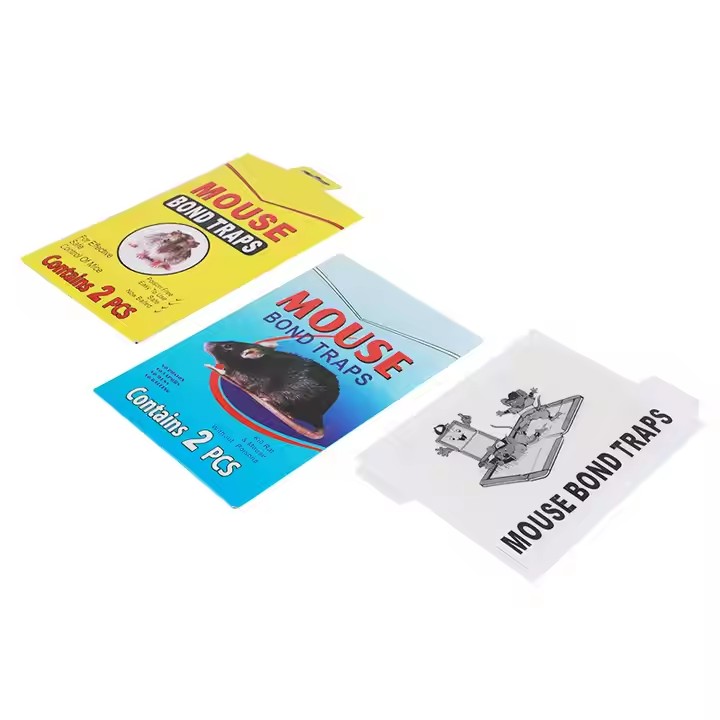
In the realm of home protection, glue traps have evolved beyond being simple tools for dealing with rodent issues. Thanks to their non-toxic, effective, and versatile characteristics, glue traps have become a reliable choice for protecting the home environment. This article will explore the many uses of glue traps in modern households and how they provide safety and comfort without the use of chemicals.
1. More Than Just a Rodent Trap
While glue traps are best known for their ability to catch mice, their usefulness extends beyond that. They are also effective against common household pests such as cockroaches, ants, and spiders. By placing glue traps in areas where these pests frequently appear, such as kitchens, bathrooms, or storage rooms, homeowners can reduce the presence of pests and maintain a clean living environment.
2. Eco-Friendly and Safe: Ideal for Homes with Children and Pets
Safety is paramount in homes with children and pets. Unlike chemical insecticides, glue traps do not release harmful fumes or chemicals, thus preventing air pollution and chemical residues. This physical trapping mechanism ensures a toxin-free environment, giving parents and pet owners peace of mind when using them.
3. Food Safety Protection: Preventing Pest Contamination
Glue traps are highly effective in protecting food storage and kitchen areas. Mice and other crawling pests often seek out food sources, contaminating food and creating unsanitary conditions. Placing glue traps in cabinets, pantries, or kitchen corners can catch potential pests, safeguarding food supplies and ensuring hygiene.
4. Monitoring and Prevention: Identifying Pest Hotspots
One of the significant advantages of glue traps is their monitoring capability. By placing traps in various areas of the home, residents can observe where pest activity is most frequent and take targeted action. This reduces the number of pests while minimizing the need for chemical pest control products, thus saving costs and avoiding unnecessary chemical exposure.
5. Versatile Protection: From Garages to Basements
Glue traps are effective not just indoors but also in garages, basements, and other pest-prone areas. Their adaptability makes them ideal for protecting different areas of the home. Whether you need to prevent rodents or reduce insects in damp spaces, provide reliable protection.
6. Practical Tips for Using Glue Traps
- Placement: Position glue traps in areas where pests and mice are likely to move, such as corners, behind appliances, and under cabinets.
- Regular Replacement: Over time, the adhesive on may weaken or become covered by captured pests, so replacing traps regularly ensures their continued effectiveness.
- Safe Placement: In homes with children and pets, place in areas where they cannot be easily accessed to prevent accidental contact.
7. Future Trends in Eco-Friendly Materials
As environmental awareness grows, manufacturers are developing made from biodegradable materials. These eco-friendly traps maintain strong adhesive properties while minimizing waste and reducing environmental impact. Future designs may even integrate smart monitoring technology, such as sensors that notify users when it’s time to replace the trap, providing a more intelligent and eco-conscious home protection solution.
8. Multi-Use Home Protection Solutions
Beyond common pest and rodent control, can also be used to keep other insects, such as moths and small crawlers, from entering the home. Their non-toxic nature and convenience make them suitable for a variety of situations, ensuring safety and peace of mind for family members.
Conclusion: The Evolving Role of Glue Traps in Home Protection
Glue traps are transitioning from traditional rodent control tools to multi-purpose household protection solutions. With their non-toxic, eco-friendly, and effective design, offer modern households a flexible and sustainable pest management option. As technology advances and environmental consciousness grows, will play an increasingly vital role in home protection, ensuring a healthier and safer living environment for all.