Winter Gardening Essentials: How to Choose the Right Plant Frost Cover.
Quick answer: Material Selection Use agricultural film, frost cloth, or burlap to make frost covers. These materials can effectively provide insulation and reduce the intrusion of cold air and snow.
Material Selection
Use agricultural film, frost cloth, or burlap to make frost covers. These materials can effectively provide insulation and reduce the intrusion of cold air and snow. At the same time, ensure that the chosen materials are breathable to avoid excessive moisture buildup inside the cover, which could lead to plant rot.
Size and Sealing of the Cover
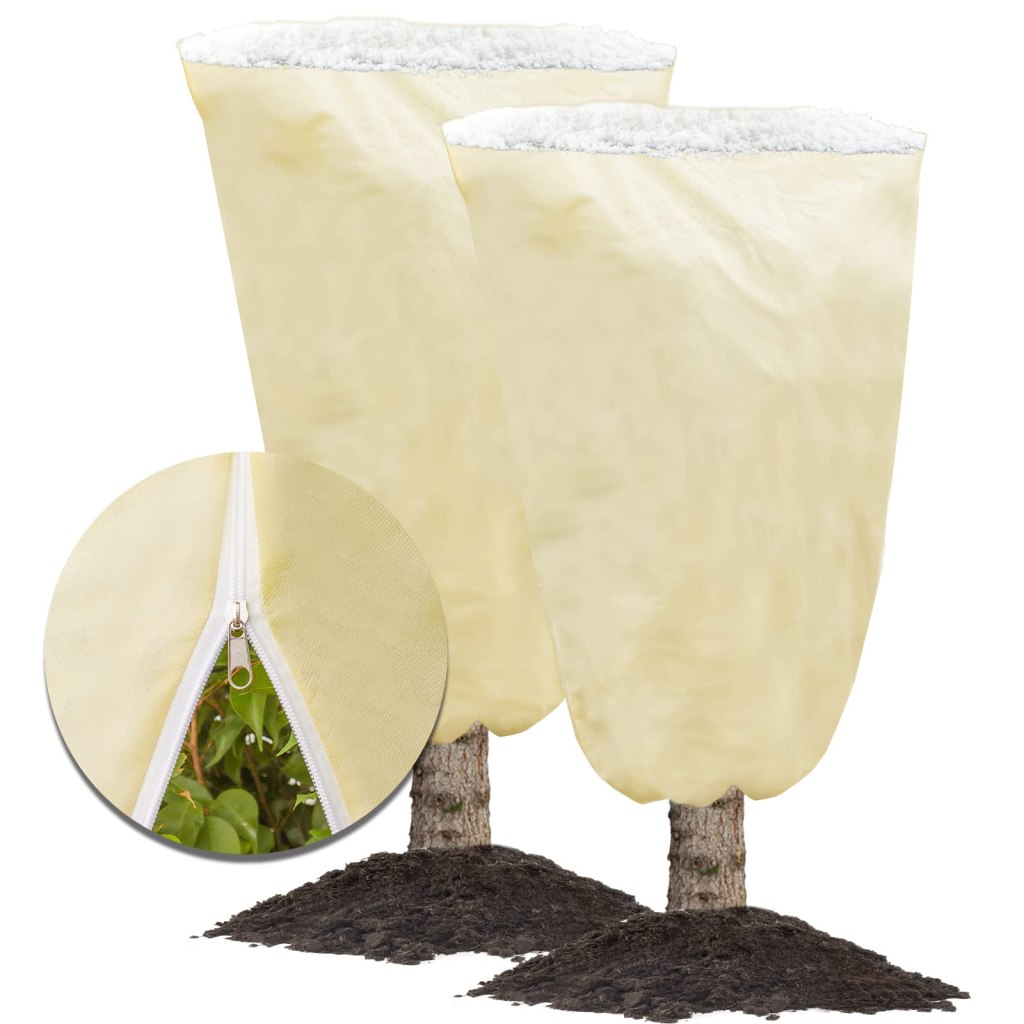
Choose a frost cover that is the appropriate size to completely cover the plant’s roots, stems, and tender leaves, while ensuring good sealing to minimize wind chill effects. A cover that is too small may leave the plant exposed to cold conditions, while one that is too large may sway in the wind.
Ventilation
The frost cover should have appropriate ventilation holes to prevent moisture accumulation. Excess moisture can cause plant diseases or root rot, so when designing the cover, consider leaving some space inside to promote air circulation.
Use of Supports
When installing the frost cover, use supports to maintain its shape and prevent it from being blown away in strong winds. This can be simple wooden stakes or specialized supports to ensure stability and effective protection for the plants.
Preparation in Advance
Before a cold wave arrives, be sure to prepare in advance and cover the plants in time. This will help prevent sudden exposure to extreme cold and reduce damage caused by sudden temperature drops.
Additional Frost Protection Measures
- Watering: Water adequately before the soil freezes to keep the roots warm.
- Insulation Material: Pile up insulation materials such as straw or leaves around the roots to enhance insulation.
- Windbreaks: Set up windbreaks or shelter belts to mitigate the effects of strong winds on plants.

Request a Quote or Free Sample
KEENFLY (Shandong NongZhiWang Agricultural Technology Co., Ltd.) makes this product in our own factory in Shandong, China. Wholesale, OEM and private label: send your target size, glue load, printed artwork and annual volume and we reply with the specification and quotation.
We reply within 24 hours.
WhatsApp: +86 155 5018 1368 / +86 186 6080 2692
WeChat: +86 188 5516 6509 / +86 155 5018 1368
Email: keenfly100@gmail.com