Sticky Mouse Traps: How to Solve Rodent Problems Without Chemical Poisons
Quick answer: Rodent infestations are a common issue in many homes and commercial spaces, especially during the winter or in humid environments when rats often seek warm places to nest.
Rodent infestations are a common issue in many homes and commercial spaces, especially during the winter or in humid environments when rats often seek warm places to nest. However, traditional rodent control solutions, such as chemical poisons and live traps, often come with various inconveniences and potential risks. Sticky mouse traps, as an innovative and eco-friendly solution, can effectively solve rodent problems without relying on chemical substances or complex devices.
Why Choose Sticky Mouse Traps?
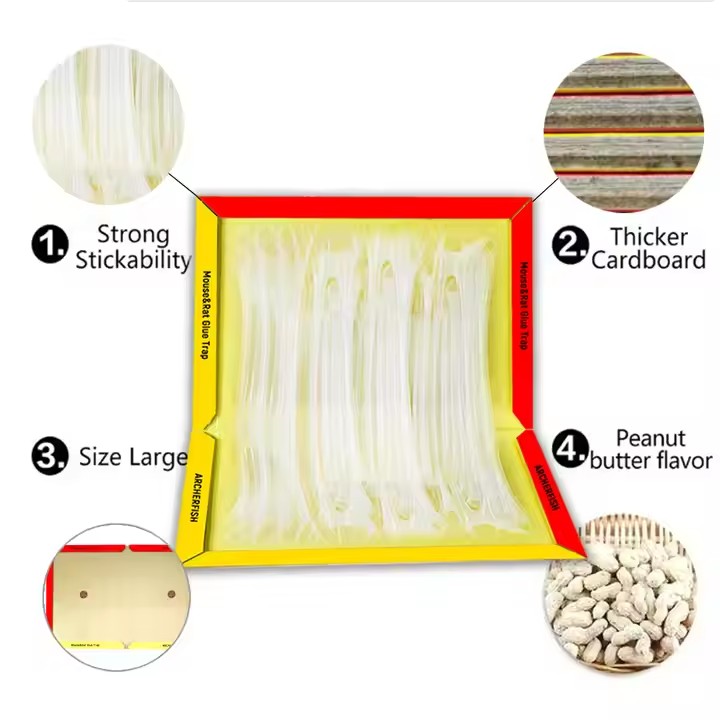
Sticky mouse traps are a non-insecticidal and easy-to-use rodent control tool. Compared to traditional methods that use poisonous chemicals, the advantages of sticky traps are clear:
- Non-insecticidal, Safe and Eco-friendly
Sticky mouse traps do not contain any harmful chemicals, avoiding the risks of chemical poisons affecting family members or pets. Especially in household environments, choosing a non-insecticidal product ensures the safety of both people and animals, without worrying about accidental poisoning. - Simple to Use, No Technical Skills Required
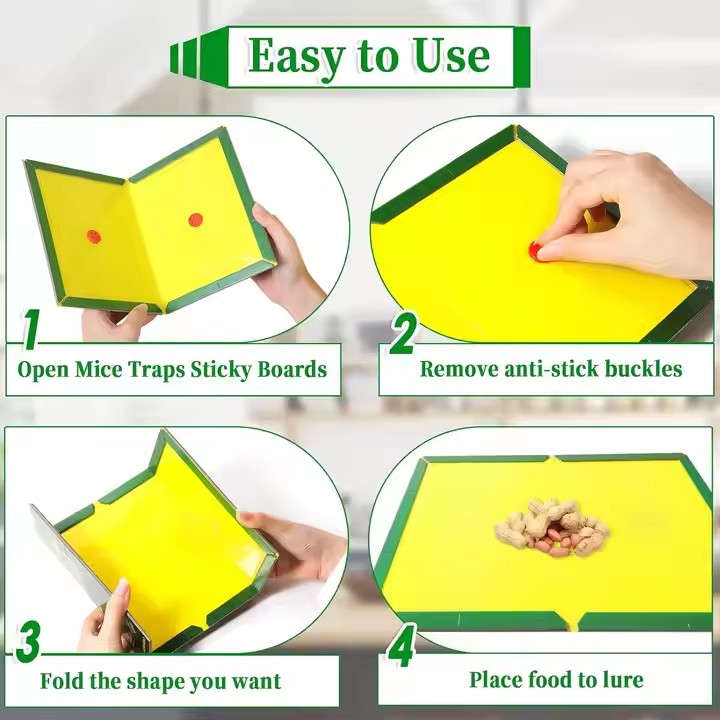
Using sticky mouse traps requires no complicated setup or technical knowledge. You simply place them in areas where rats frequently appear, such as kitchens, basements, or near trash cans. Once the rodents come into contact with the sticky surface, they are trapped and cannot escape. This straightforward usage makes sticky traps an ideal choice for both households and commercial spaces. - Efficient and Long-lasting
Sticky mouse traps are typically made of high-quality adhesive materials that maintain their effectiveness for a long period. They not only catch rodents effectively but also last for several months, reducing the hassle of frequent replacements and saving time and money. - Environmentally Friendly and Sustainable
Traditional rodent poisons are harmful to the environment and may cause secondary pollution when being handled or disposed. Sticky mouse traps are an eco-friendly solution made from natural materials and they are easy to dispose. Once used, simply discard the captured rodent and the trap itself, making them easy to recycle and dispose.

How to Use Sticky Mouse Traps?
To maximize the effectiveness of sticky mouse traps, proper usage is crucial. Here are some useful tips:
- Choose the Right Placement
The most effective way to use sticky traps is to place them in areas where rodents are commonly active. Common places include kitchens, storage rooms, basements and garages. Especially near food storage areas or trash bins where rats often lurk, you can also place the traps in corners, dark spots and narrow gaps, as rats tend to travel along these areas. - Avoid Touching the Sticky Surface
When handling sticky traps, make sure not to touch the sticky surface with your hands, as this may cause the trap to lose its adhesiveness. Handle it carefully and place it in the targeted area. - Regularly Check and Replace
Once the sticky trap has caught a rodent or other pests, it should be replaced or cleaned promptly to maintain its effectiveness. Rodents may die after being stuck to the surface for extended periods, causing odor, so it’s important to check and clean the traps regularly. - Combine with Other Rodent Control Methods
Sticky traps can also be used in combination with other rodent control methods. For example, using rat bait or rodent-proofing barriers along with the traps can further reduce the rodent population and prevent future infestations.

Versatility of Sticky Mouse Traps
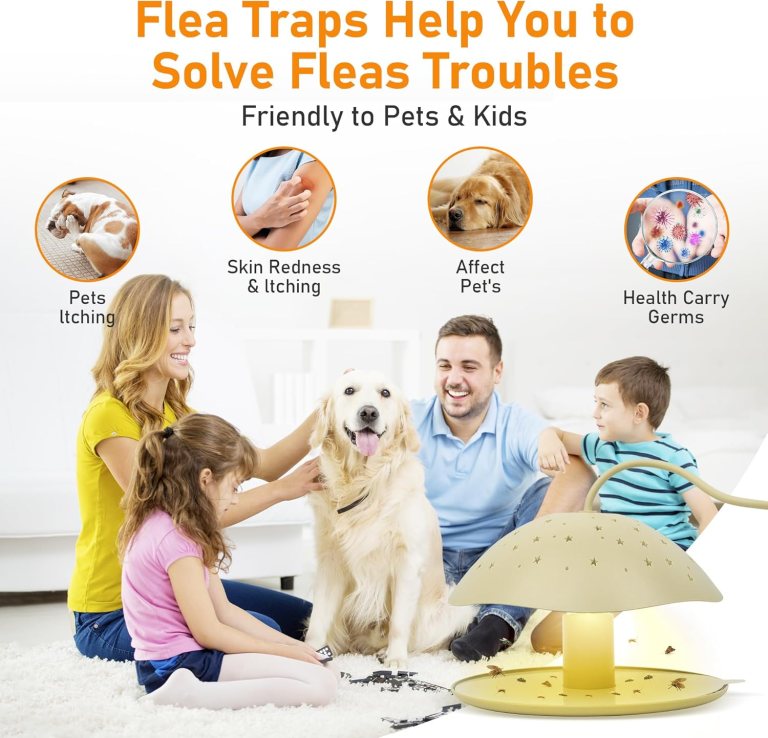
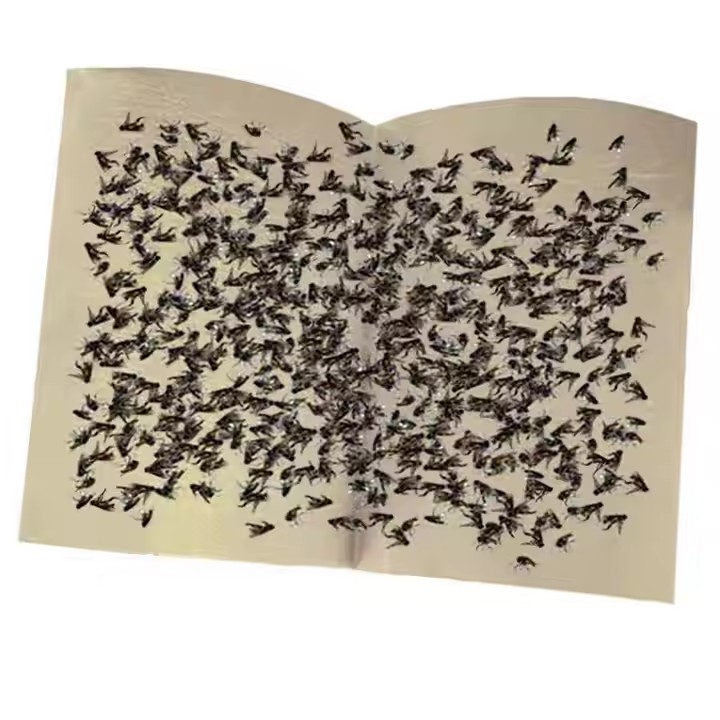
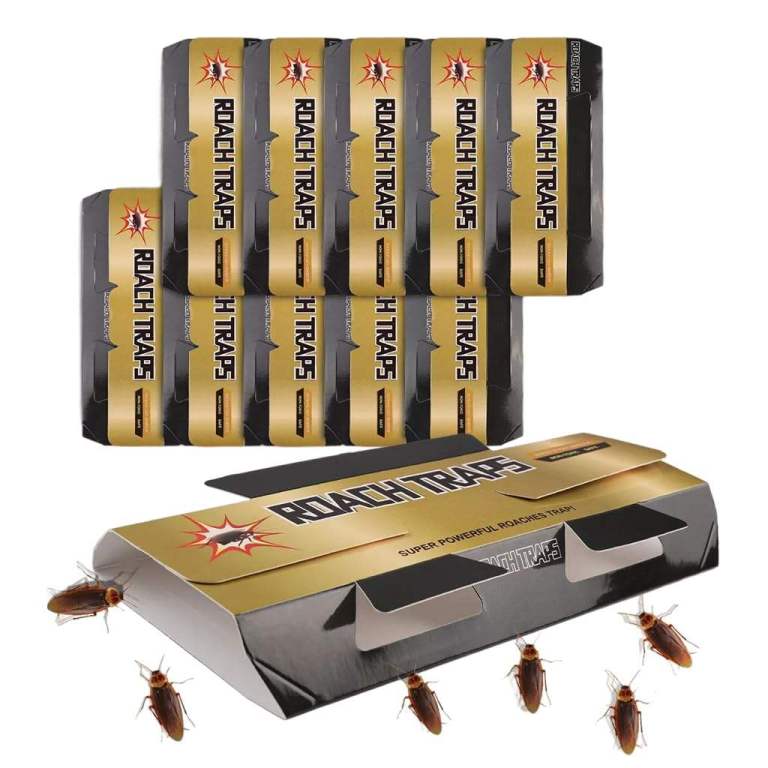
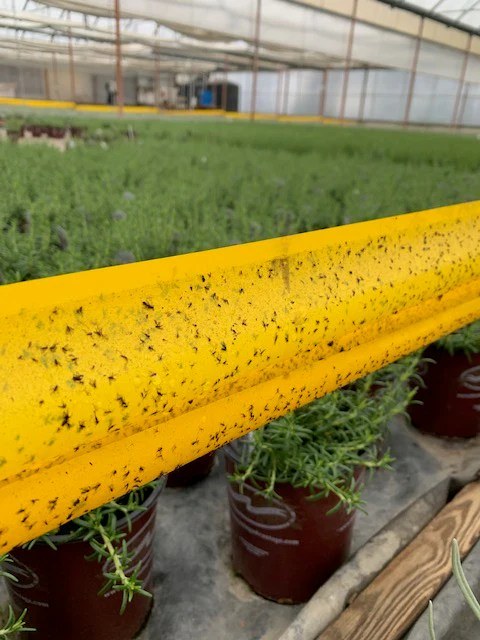
In addition to capturing mice, sticky mouse traps can also be used for other pests. Many households and commercial spaces also face issues with ants, spiders, fruit flies and other insects and sticky traps can work in these situations as well. The versatility of sticky traps makes them not only effective for controlling rodents but also useful for controlling other flying and crawling pests, helping users maintain cleanliness and hygiene.
Cost-effectiveness of Sticky Mouse Traps
Compared to traditional poisons and rodent traps, sticky mouse traps offer significant economic advantages. While some chemical poisons and traps may have a low initial cost, they often require frequent replacements and maintenance, which can add up over time. On the other hand, sticky mouse traps can be used for an extended period with minimal need for replacement, making them a cost-effective solution in the long run.
Conclusion
In conclusion, sticky mouse traps provide an environmentally friendly, safe, efficient and economical solution to rodent problems. Whether for homes, offices, stores, warehouses, or agricultural environments such as greenhouses and farms, sticky mouse traps offer continuous and effective rodent control. By ensuring hygiene, reducing risks and offering a simple, affordable method of control, sticky traps provide users with an easy way to manage rodent infestations. With regular use and proper maintenance, you can significantly reduce the nuisance caused by rodents and create a more comfortable, healthy living and working environment.

Request a Quote or Free Sample
KEENFLY (Shandong NongZhiWang Agricultural Technology Co., Ltd.) makes this product in our own factory in Shandong, China. Wholesale, OEM and private label: send your target size, glue load, printed artwork and annual volume and we reply with the specification and quotation.
We reply within 24 hours.
WhatsApp: +86 155 5018 1368 / +86 186 6080 2692
WeChat: +86 188 5516 6509 / +86 155 5018 1368
Email: keenfly100@gmail.com