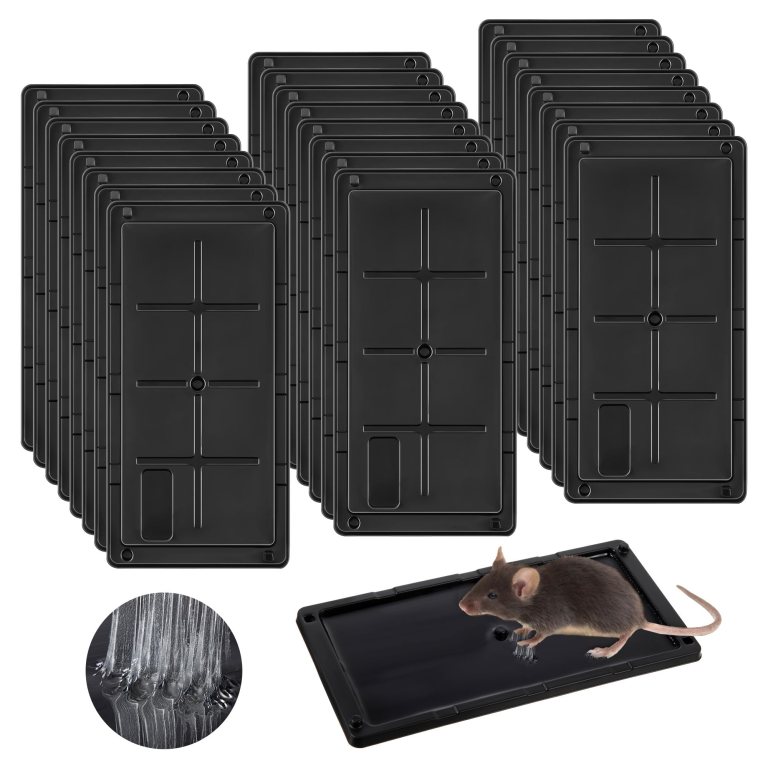
The Physical Shift: Why Large Mouse Glue Traps are Dominating Post-Rodenticide Markets
Market Trends | Sustainable Pest Control #20260706-06
Updated on July 6, 2026
The Regulatory Catalyst for Glue Traps
The push for “Non-Toxic” pest control is no longer a niche preference; it is a regulatory mandate in many jurisdictions. Large mouse glue traps offer a critical advantage: they provide immediate results without the risk of secondary poisoning to non-target wildlife or pets. This makes them the primary choice for schools, hospitals, and food processing facilities.
Why “Large Format” Matters
Standard retail traps often fail to secure larger rodents or handle high-activity zones. Our Large Mouse Glue Traps are engineered with a specific “Catch-to-Edge” ratio, ensuring that even a partial contact results in successful capture. The increased surface area allows for strategic placement along “runways” where rodents naturally travel.
Engineering the “Super Glue”
Not all adhesives are created equal. The efficacy of a mouse trap depends on three scientific pillars:
- Tensile Strength: The ability to hold a struggling rodent without the glue tearing or “skinning.”
- Temperature Resilience: Maintaining tackiness from -5°C (cold storage) to 45°C (summer warehouses).
- Scent-Free Attraction: Utilizing high-purity resins that do not emit chemical odors that trigger “neophobia” in rodents.
Sustainable Disposal and ESG Goals
B2B clients are increasingly evaluating suppliers based on their ESG (Environmental, Social, and Governance) scores. Shandong Nongzhiwang is pioneering the use of recycled cardboard substrates and bio-degradable glue components, allowing our clients to fulfill their sustainability commitments without sacrificing pest control performance.
Conclusion
The future of rodent control is physical, measurable, and non-toxic. By integrating large-format glue traps into a comprehensive pest management strategy, businesses can achieve a higher standard of safety and efficacy while remaining ahead of the regulatory curve.