Garden

Showing 1–16 of 34 results

  • Black Tree Banding Tape 10cm x 100m – Discreet Crawler Barrier Ribbon for Landscape Trees & Urban Forestry

    Black Tree Banding Tape 10cm x 100m – Discreet Crawler Barrier Ribbon for Landscape Trees & Urban Forestry

    Non-insecticidal black PE crawler barrier ribbon coated with long-lasting adhesive. Wrap tree trunks to block crawling insect pests; discreet black finish for parks, botanical gardens, landscape trees and urban forestry. OEM widths, lengths and colors available.

  • Sticky insect trapsSticky insect traps

    Blue Thrips Sticky Trap

    1. Choose the Right Placement
    Sticky insect traps should be placed in areas where pests are most active, such as around crops or near plant leaves. Different pests are attracted to different colored traps, with yellow, blue, and green sticky sheets being most effective for various insect species. Typically, yellow sticky traps are especially effective at attracting aphids and whiteflies, while blue sticky traps are more effective for catching pests like the cabbage white butterfly.

    2. Installation Method
    Using sticky insect traps is very simple. You can hang them above plants or insert them into the soil with stakes. Make sure the trap is placed at an appropriate distance from the crops to avoid blocking sunlight or affecting plant growth. For larger farmland areas, multiple traps can be strategically placed to increase the efficiency of pest capture.

    3. Regular Inspection and Replacement
    The effectiveness of sticky traps typically lasts for several weeks, but this can vary depending on the environment and the number of pests. As more insects are caught, the sticky surface may become less effective. Therefore, it’s important to regularly check the traps and replace them with new ones to maintain effective pest control.

    Effects of Using Sticky Insect Traps

    1. Effective Pest Capture
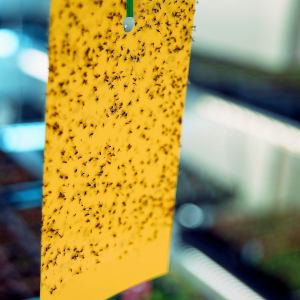
    Sticky insect traps, with their unique adhesive surface, effectively attract and capture flying pests. The bright yellow and blue colors of the traps are particularly effective at attracting specific types of pests like aphids, whiteflies, thrips, and fruit flies, quickly trapping them. This physical method of pest control avoids the use of chemicals and does not negatively impact crops or the environment.

    2. Reduced Crop Damage
    Using sticky insect traps can significantly reduce the number of pests, thereby reducing the damage they cause to crops. For example, aphids can spread plant diseases, while whiteflies can cause severe damage to leaves. By effectively trapping these pests, sticky traps help protect crops, minimize disease transmission, and ultimately improve crop yield and quality.

    3. Reduced Pesticide Use
    Sticky insect traps are a chemical-free pest control solution that reduces the need for traditional chemical pesticides. As agriculture moves towards more environmentally-friendly and sustainable practices, sticky insect traps provide an ideal alternative, helping to lower pesticide usage and reduce environmental pollution.

    Benefits of Using Sticky Insect Traps

    1. Eco-friendly and Safe
    Sticky insect traps are entirely eco-friendly and non-insecticidal. They capture pests through physical means without harming beneficial insects or polluting the soil. This makes them particularly suitable for organic farming and ecological agriculture, helping protect natural ecosystems.

    2. Efficient and Cost-effective
    Sticky insect traps are simple to use, low-cost, and require no special expertise. They not only effectively reduce pest populations but can also be integrated with other pest management methods, such as biological control or crop rotation, to enhance overall pest control efficiency.

    3. Wide Range of Applications
    Sticky insect traps are suitable for a variety of crops and plants, including vegetables, fruit trees, flowers, and more. They can be used in greenhouses, tunnels, open fields, and home gardens, making them versatile for different agricultural and horticultural settings.

    4. Reduced Risk of Pesticide Residue
    Chemical pesticides can leave harmful residues on crops, posing risks to food safety. Sticky insect traps avoid this issue, providing a safer and healthier option for pest control and ensuring that agricultural products are free from harmful chemical residues.

    5. Promotes Sustainable Agriculture
    As a green pest management tool, sticky insect traps align with the sustainability goals of modern agriculture. By reducing pesticide use and protecting the environment, sticky insect traps help make agricultural production more efficient and eco-friendly, supporting the development of sustainable farming practices.
  • Placeholder

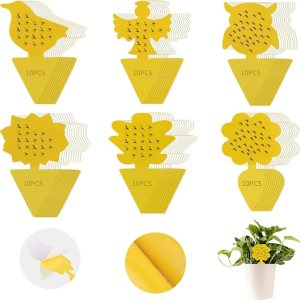
    Botanical Design Window Fly Traps — Seasonal Collection for Hotels and Cafés (Wholesale OEM)

    Botanical-design decorative window fly traps for hotels and cafés. Seasonal artwork collection, UV-resistant PET film. OEM customization. Wholesale B2B.

  • roach traproach trap

    Cockroach Trap for Garden and Orchard

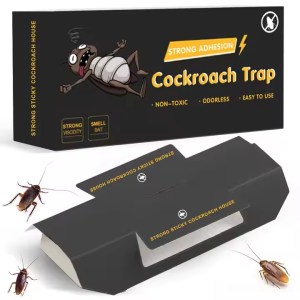
    roach trap for home pest control, agriculture, and gardening are effective pest management tools. They not only effectively capture cockroaches and reduce threats to human health and crops but also help achieve environmental goals.

  • Placeholder

    Decorative Custom-Shaped Sticky Trap Cards Butterfly Flower Design | Bulk Garden Center OEM Private Label

    $0.01

    MOQ: 500 pcs | Custom Shapes: Butterfly, Flower, Animal | 1000+ Die-Cut Molds | 7-Day New Mold Development | Retail-Ready Packaging OEM | CE

  • Decorative Sticky Trap Panel Botanical Garden OEM

    Decorative Sticky Trap Panel Botanical Garden OEM

    $0.15

    Professional Eco-friendly 40 Mil PP Butterfly Shape Sticky Insect Trap Long-lasting Yellow Gnat Trap for Houseplants Greenhouse Indoor – Factory Direct Wholesale

  • Double Sided Yellow Sticky Card OEM Factory | KEENFLY

    Double Sided Yellow Sticky Card OEM Factory | KEENFLY

    $0.01

    MOQ: 500 pcs | Standard: 20x25cm Double-Sided | 570nm Spectral Yellow · UV-Stable 180 Days · Recyclable PP | Custom Sizes/Colors/Shapes OEM | CE quality-controlled production facility

    SHANDONG NONGZHIWANG – 10 Years Factory Direct. 10,000㎡ Production Base. Address: Cao County, Heze, Shandong, China. WhatsApp +86 155 5018 1368 / +86 186 6080 2692, WeChat +86 155 5018 1368 / +86 188 5516 6509, Email: keenfly100@gmail.com. Quality-controlled | Compliance documentation on request.

  • Yellow Sticky TrapsYellow sticky traps

    Fungus Gnat Trap

    Yellow sticky traps are an eco-friendly and efficient pest control tool widely used in gardening and agriculture, especially for controlling fungal gnats, thrips, and other flying insects. They attract pests with their bright yellow color and capture them with their sticky surface, helping to reduce pest damage and protect plant health.

    How to Use:

    1. Choose the Right Location: Place yellow sticky traps near plants, especially in areas where pests are most active, such as around potted plants, above plant leaves, or in damp corners of the garden.
    2. Secure and Adjust: Make sure the trap is securely placed and not affected by wind. For indoor plants, you can hang the traps near the plants or on branches; for gardens, insert them into the soil.
    3. Regular Checks: Regularly check the traps for pest count. Replace the traps when the sticky surface is covered or loses its stickiness.

    Benefits of Using Yellow Sticky Traps:

    • Eco-friendly: Non-insecticidal and harmless, avoiding the use of chemical pesticides, making them ideal for organic gardening and environmentally conscious gardening practices.
    • Effective Pest Control: Effectively monitor and reduce the number of pests such as fungal gnats and thrips, preventing further damage to plants.
    • Easy to Use: Simple to set up and replace, requiring no special skills or equipment.
    • Cost-effective: Compared to chemical pesticides, yellow sticky traps are affordable, long-lasting, and an economical pest control solution.

    Where to Place: Yellow sticky traps should be placed in areas where pests are most active, including:

    • Indoor Plants: Hang or stick the traps around plants.
    • Gardens and Balconies: Insert them into the soil or hang them on plants, especially in damp and shaded areas where pests tend to thrive.
    • Agricultural Greenhouses: Place them between crops to control greenhouse pests.
  • Sticky insect trapsSticky insect traps

    Fungus Gnat Trap 50 PIECES for Indoor

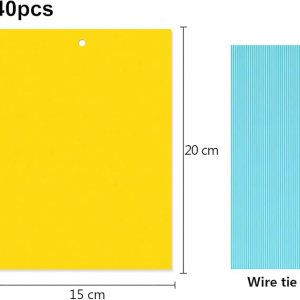
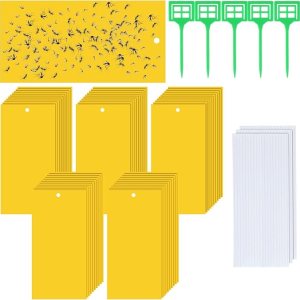
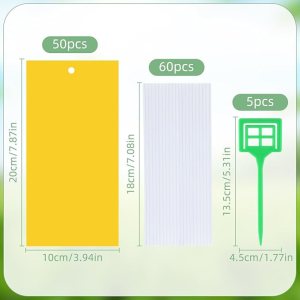
    50 Pack Yellow Sticky Traps, Insect Catchers, Fruit Fly Traps, for Controlling Aphids, Whiteflies, Leaf Miners, Thrips (20x10cm)

    Features:

    1. Non-insecticidal materials, double-sided durable adhesive for effective insect trapping.
    2. Temperature resistant, waterproof, and more economical for pest control.
    3. Yellow attracts pests. Suitable for catching most types of flying insects, such as whiteflies, aphids, leaf miners, moths, etc.
    4. Widely used for indoor and outdoor flowering plants. Ideal for greenhouses, orchards, tea gardens, nurseries, and small farms.

    Notes: These yellow sticky traps are very sticky. We recommend placing them out of reach of children. If accidentally in contact with the adhesive, simply wash hands with some vegetable oil, hand sanitizer, or soap.

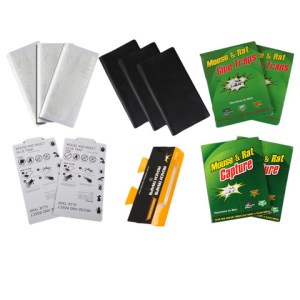
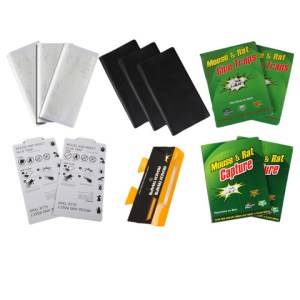
  • Assorted mouse and rat trap kit: glue boards, snap-style traps, bait packets, and instruction sheets

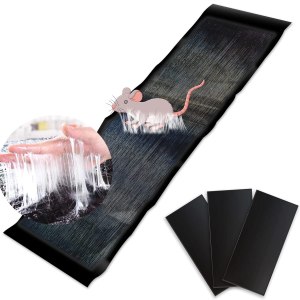
    Magic Carpet Mouse Glue Trap for Gardens

    $0.07

    Factory Direct Wholesale Pest Control Supplies

  • Moth Glue TrapsMoth Glue Traps

    Moth Trap for Greenhouse

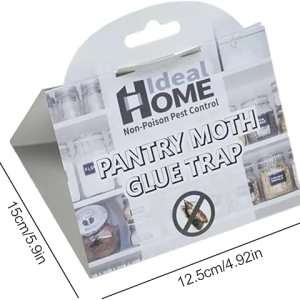
    Moth glue traps can effectively capture pests, reducing their numbers and thereby protecting plant health, which enhances the overall effectiveness of garden management.

  • Moth TrapsMoth Traps

    Moth Trap for Indoor

    Moth Traps – Ideal for Indoor and Outdoor Use

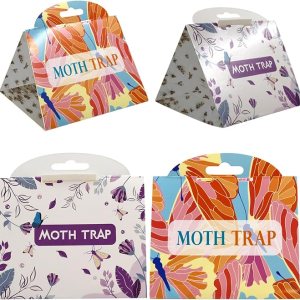
    In homes and gardens, moth traps are an ideal solution for effectively controlling the population of moths. These devices utilize advanced attraction technology to lure and capture moths without the use of any chemical agents, ensuring environmental safety. Moth traps are suitable for indoor use, such as in kitchens and bedrooms, and are also highly effective for outdoor use in gardens and patios.

    When selecting the right moth trap, consider its attractiveness, capture efficiency, and ease of use. Many modern moth traps are designed to be compact and easy to install and maintain, while also offering a long lifespan. Whether in home or outdoor settings, moth traps help reduce damage to plants and living spaces, creating a more comfortable environment.

    In conclusion, moth traps are an indispensable protective tool for every household. They are both safe and efficient, helping you easily tackle moth problems.

  • Pheromone Moth TrapsPheromone Moth Traps

    Moth Trap Large

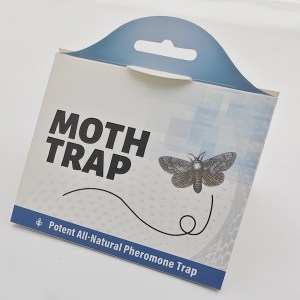
    Usage Instructions

    1. Choose Location: Place the trap in areas where moths are commonly found, such as gardens, near fruit trees, or indoors near light sources.
    2. Open the Trap: Follow the instructions to open the trap, ensuring that the pheromone lure is released into the air.
    3. Secure the Position: Use hooks or adhesive to secure the trap at an appropriate height, usually 1-2 meters off the ground.
    4. Regular Checks: Inspect the trap weekly to monitor the number of captured moths, and replace the lure and clean the trap as needed.

    Functions

    1. Monitor Moth Populations: By capturing moths, you can assess their population density and activity, providing data for future control measures.
    2. Reduce Pest Damage: Capturing adult moths effectively decreases their breeding, thereby lowering damage to plants and crops.
    3. Eco-Friendly and Safe: Traps using pheromone lures are harmless to humans and pets, making them an environmentally friendly pest management solution.

    By using moth traps properly, you can effectively control moth populations and protect crops and the ecosystem.

  • Kit of mouse and rat trapping supplies: glue boards, snap traps, bait packets, and instruction sheets for setup and use.

    Mouse Glue Trap for Garden and Orchard, Large

    $0.15

    SHANDONG NONGZHIWANG – 10 Years Factory Direct. Address: 500m North of Intersection of Shandong Road & Changjiang Road, West Side, Jizhuang Village, Qinghe Subdistrict, Cao County, Heze, Shandong, China. WhatsApp +86 155 5018 1368 / +86 186 6080 2692, WeChat +86 155 5018 1368 / +86 188 5516 6509, Email: keenfly100@gmail.com

  • Large Sticky Mouse Trap

    Mouse Glue Trap for Indoor Mouse

    Butterfly Shaped Yellow Sticky Traps for decorative garden pest control. SHANDONG NONGZHIWANG – 10 Years Factory Direct. WhatsApp +86 155 5018 1368 / +86 186 6080 2692, WeChat +86 155 5018 1368 / +86 188 5516 6509, Email: keenfly100@gmail.com

  • Sticky Fly TrapSticky Fly Trap

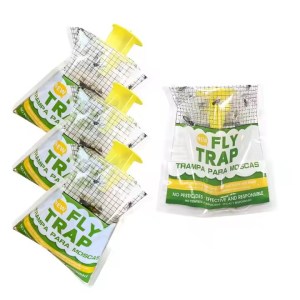
    Sticky Fly Trap for Gardens, Balconies and Patios

    Sticky Fly Trap:

    – **Choose the Right Location:** Hanging fly traps are typically suited for areas where they need to be suspended in the air or at a height, such as the ceiling of a room, window frames, or tree branches outdoors. Make sure to place it in an area with frequent fly activity.
    – **Use Hooks or Strings:** Most hanging fly traps come with hooks or strings. Use these accessories to securely hang the trap in the chosen location. Ensure that the hooks or strings are sturdy to prevent the trap from falling.
    – **Ensure Horizontal Hanging:** The trap should be hung horizontally to maximize its capture area. If the trap is tilted, flies may not land correctly on the sticky surface, which could reduce its effectiveness.

    **Placed Fly Trap:**

    – **Choose a Stable Surface:** For placed fly traps, it’s essential to select a flat and stable surface. You can place the trap on a table, windowsill, or the ground to ensure it doesn’t tip over or fall.
    – **Avoid Wind Disruption:** If the trap is used outdoors, avoid placing it in areas with strong wind. High winds can cause the trap to move or be blown away, making it less effective at capturing flies.
    – **Regularly Check Position:** Placed fly traps may shift due to wind, rain, or other factors. It’s important to periodically check the trap and ensure it remains in its intended position for continued effectiveness.