How to Use Sticky Insect Traps for Green Agricultural Pest Management
As global attention to sustainable development and eco-friendly agricultural practices increases, the use of traditional chemical pesticides is being reconsidered. Although chemical pesticides can be effective in controlling pests, their prolonged use can lead to resistance among pests and pose risks to soil, water, and beneficial insect populations. Sticky insect traps have emerged as a preferred solution for farmers and gardening enthusiasts seeking green pest management strategies. This article will explore the function, usage, optimization techniques, and role of sticky insect traps in integrated pest management (IPM) to help achieve effective and sustainable pest control.
1. How Sticky Insect Traps Work and Their Key Features
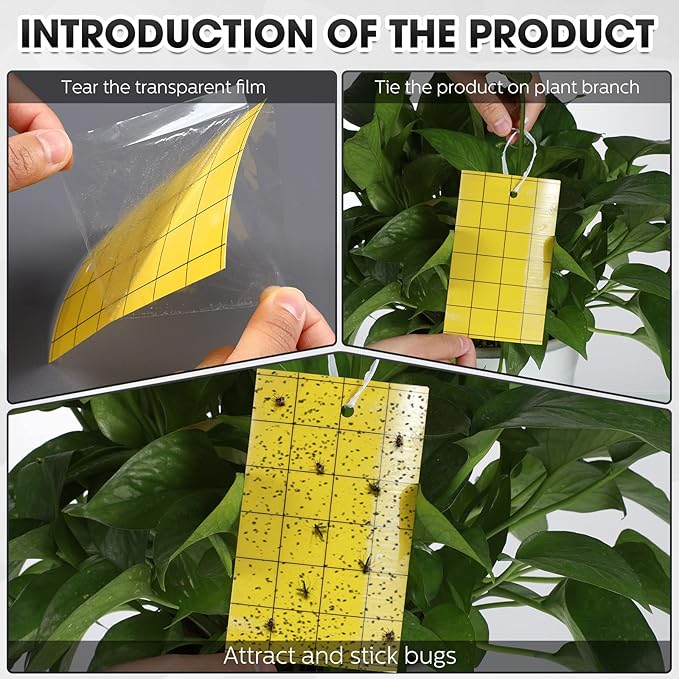
Sticky insect traps are panels coated with an adhesive substance designed to attract and capture flying insects. Typically, these traps come in yellow or blue, as different pests are attracted to different colors. Yellow sticky insect traps are effective for catching whiteflies, aphids, and leaf miners, while blue traps work best for thrips. These traps are user-friendly, require no electricity or chemicals, and help minimize maintenance costs and environmental impact.
Mechanism of Action: Sticky insect traps use color and sometimes scent to attract pests. When insects contact the sticky surface, they become trapped and unable to escape. This reduces the pest population directly and serves as an early monitoring tool for farmers to detect pest activity.

2. Benefits and Sustainability of Sticky Insect Traps
- Environmentally Friendly: are chemical-free, avoiding pesticide residues that can contaminate crops, soil, and water.
- Prevention of Resistance: Unlike chemical pesticides, these traps do not contribute to pest resistance, making them a reliable long-term pest control solution.
- Safe for Beneficial Insects: do not harm beneficial insects like bees and ladybugs, thus preserving ecosystem biodiversity.
- Cost-Effective: are an affordable solution, particularly beneficial for small and medium-sized farms and home gardens.
- Real-Time Monitoring: Traps provide immediate data on pest numbers and species, enabling timely adjustments to pest management strategies.
3. How to Properly Use Sticky Insect Traps for Maximum Efficiency
To optimize the effectiveness of sticky insect traps, adhere to the following guidelines:
a. Placement and Height: Install near or slightly above the plant canopy to ensure they are in the flight path of target pests. In greenhouses, place traps between rows to maximize capture rates.
b. Number and Distribution: Use one sticky insect trap per 10 to 20 square meters in smaller areas. For larger fields, increase the number proportionally to cover all main pest pathways effectively.
c. Replacement and Maintenance: Replace when they become covered with pests or lose their adhesiveness. Inspect the traps every two to three weeks to monitor pest activity and replace them as needed.
4. Practical Tips to Optimize the Use of Sticky Insect Traps
- Choose the Right Color: Select trap colors based on the type of pest you are targeting. Yellow are suitable for a variety of flying pests, while blue traps are more effective for thrips.
- Adjust Placement and Angle: Regularly modify the position and angle of traps to align with pest movement patterns for maximum effectiveness.
- Monitor Environmental Factors: Use tools like hygrometers and weather stations to predict pest peaks and adjust the number of accordingly.
5. Integrating Sticky Insect Traps into Your IPM Strategy
Integrated Pest Management (IPM) incorporates multiple methods to minimize chemical pesticide use. Sticky insect traps play an essential role by acting as both monitoring tools and direct pest control methods. Here’s how to integrate them into your IPM plan:
- Early Detection: Place sticky insect traps at the start of the season for early identification of pest activity.
- Pair with Biological Control: Use sticky insect traps alongside beneficial insects (e.g., ladybugs) for a comprehensive approach to pest management.
- Continuous Monitoring and Adjustments: Use data from to fine-tune other IPM measures, such as intercropping and crop rotation.
6. Case Studies and Best Practices for Using
Several organic farms have successfully used to reduce the need for chemical pesticides. For example, an organic vegetable farmer reported a 50% reduction in pest pressure after incorporating sticky insect traps. This not only improved crop health but also increased the number of beneficial insects, enhancing natural pest control.
Conclusion
Sticky insect traps offer a cost-effective, efficient, and environmentally friendly way to manage pests in agricultural settings. Proper use and maintenance can minimize pest damage and support sustainable farming practices. By integrating sticky insect traps into your pest management strategy, you can protect your crops, promote biodiversity, and contribute to a more sustainable agricultural future.