1. Choose the Right Placement
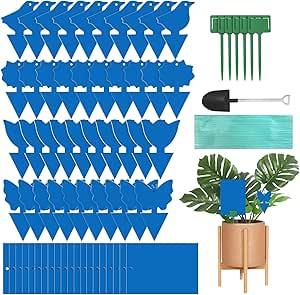
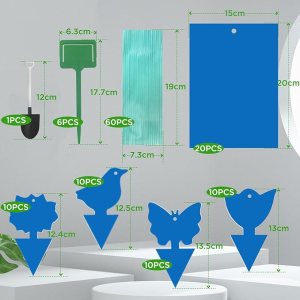
Sticky insect traps should be placed in areas where pests are most active, such as around crops or near plant leaves. Different pests are attracted to different colored traps, with yellow, blue, and green sticky sheets being most effective for various insect species. Typically, yellow sticky traps are especially effective at attracting aphids and whiteflies, while blue sticky traps are more effective for catching pests like the cabbage white butterfly.
2. Installation Method
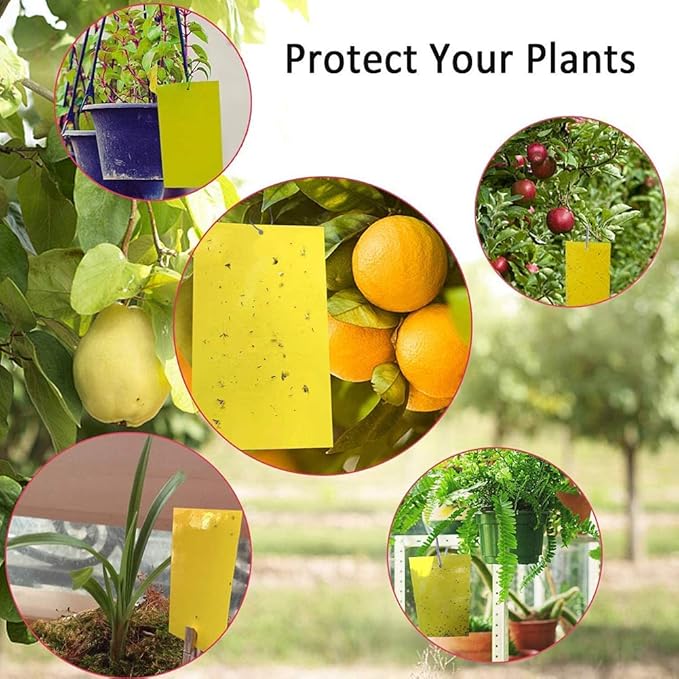
Using sticky insect traps is very simple. You can hang them above plants or insert them into the soil with stakes. Make sure the trap is placed at an appropriate distance from the crops to avoid blocking sunlight or affecting plant growth. For larger farmland areas, multiple traps can be strategically placed to increase the efficiency of pest capture.
3. Regular Inspection and Replacement
The effectiveness of sticky traps typically lasts for several weeks, but this can vary depending on the environment and the number of pests. As more insects are caught, the sticky surface may become less effective. Therefore, it’s important to regularly check the traps and replace them with new ones to maintain effective pest control.
Effects of Using Sticky Insect Traps
1. Effective Pest Capture
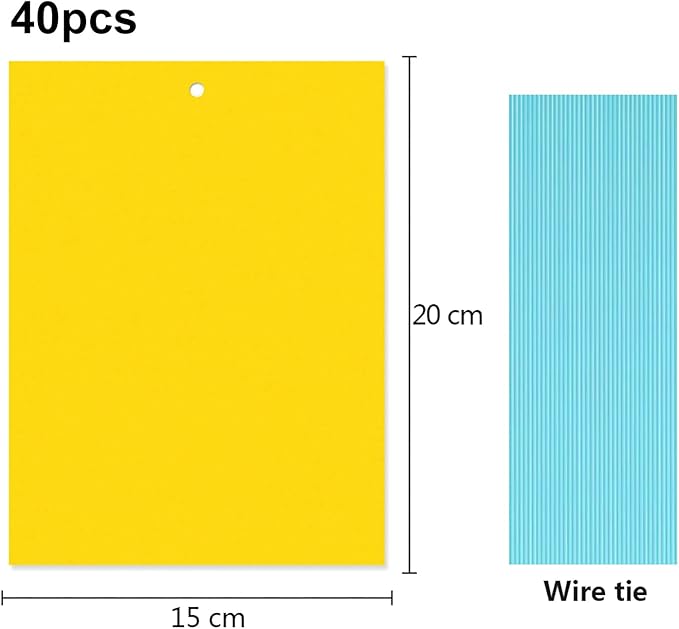
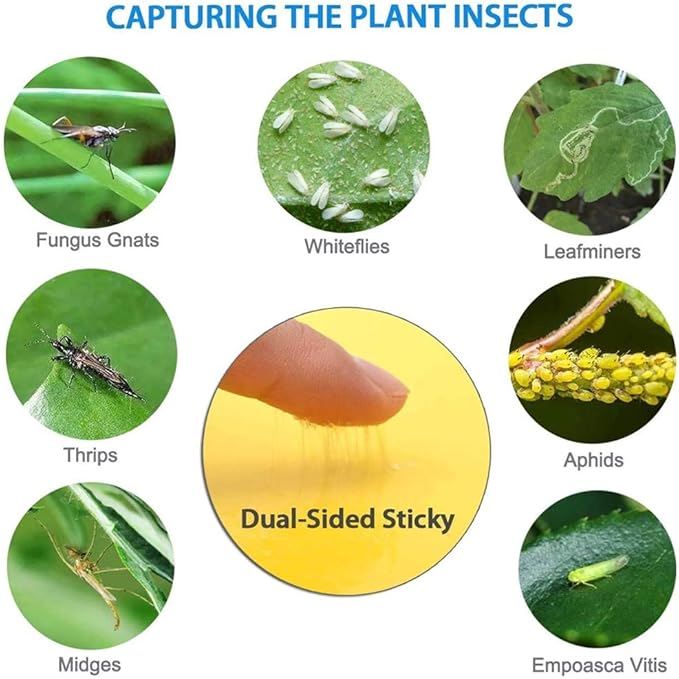
Sticky insect traps, with their unique adhesive surface, effectively attract and capture flying pests. The bright yellow and blue colors of the traps are particularly effective at attracting specific types of pests like aphids, whiteflies, thrips, and fruit flies, quickly trapping them. This physical method of pest control avoids the use of chemicals and does not negatively impact crops or the environment.
2. Reduced Crop Damage
Using sticky insect traps can significantly reduce the number of pests, thereby reducing the damage they cause to crops. For example, aphids can spread plant diseases, while whiteflies can cause severe damage to leaves. By effectively trapping these pests, sticky traps help protect crops, minimize disease transmission, and ultimately improve crop yield and quality.
3. Reduced Pesticide Use
Sticky insect traps are a chemical-free pest control solution that reduces the need for traditional chemical pesticides. As agriculture moves towards more environmentally-friendly and sustainable practices, sticky insect traps provide an ideal alternative, helping to lower pesticide usage and reduce environmental pollution.
Benefits of Using Sticky Insect Traps
1. Eco-friendly and Safe
Sticky insect traps are entirely eco-friendly and non-toxic. They capture pests through physical means without harming beneficial insects or polluting the soil. This makes them particularly suitable for organic farming and ecological agriculture, helping protect natural ecosystems.
2. Efficient and Cost-effective
Sticky insect traps are simple to use, low-cost, and require no special expertise. They not only effectively reduce pest populations but can also be integrated with other pest management methods, such as biological control or crop rotation, to enhance overall pest control efficiency.
3. Wide Range of Applications
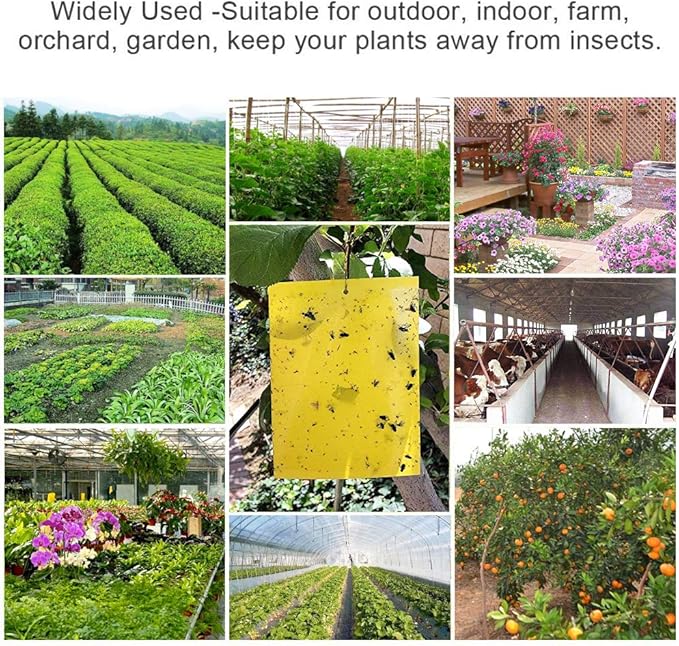
Sticky insect traps are suitable for a variety of crops and plants, including vegetables, fruit trees, flowers, and more. They can be used in greenhouses, tunnels, open fields, and home gardens, making them versatile for different agricultural and horticultural settings.
4. Reduced Risk of Pesticide Residue
Chemical pesticides can leave harmful residues on crops, posing risks to food safety. Sticky insect traps avoid this issue, providing a safer and healthier option for pest control and ensuring that agricultural products are free from harmful chemical residues.
5. Promotes Sustainable Agriculture
As a green pest management tool, sticky insect traps align with the sustainability goals of modern agriculture. By reducing pesticide use and protecting the environment, sticky insect traps help make agricultural production more efficient and eco-friendly, supporting the development of sustainable farming practices.


 <\/a>
<\/a> <\/a>
<\/a> <\/a>
<\/a> <\/a>
<\/a> <\/a>
<\/a> <\/a>
<\/a>