Multi-zone flea monitoring system for boarding kennels and pet facilities. UV-A light attraction, wall-mountable units. OEM customization. Wholesale B2B.
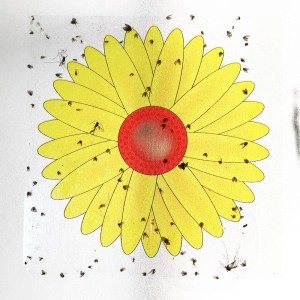
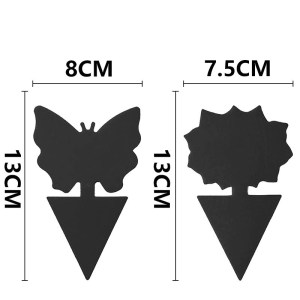
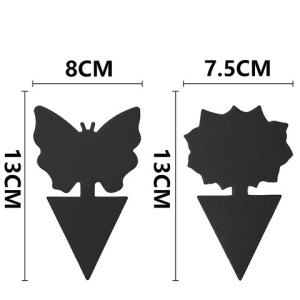
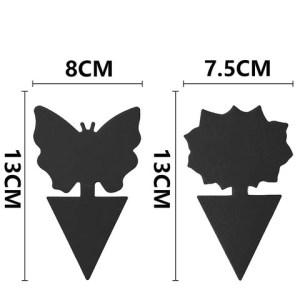
Botanical-design decorative window fly traps for hotels and cafés. Seasonal artwork collection, UV-resistant PET film. OEM customization. Wholesale B2B.
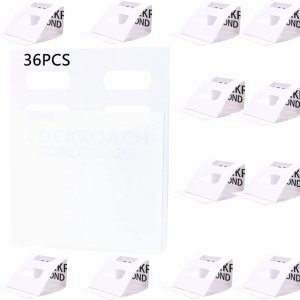
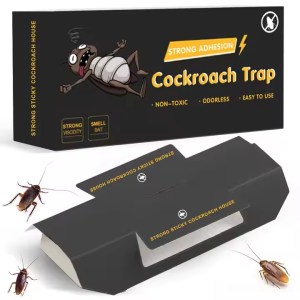
cockroach trap: There are various types of cockroach traps available, such as sticky traps or baited box traps. Choose the type that best fits your needs, ensuring that it is non-insecticidal and safe for humans and pets.
Placement and Positioning: Place the cockroach traps in areas where cockroaches are most active, such as kitchen corners, under stoves, near trash bins, behind cabinets, and in bathrooms where it is damp and food particles are present. Traps should be positioned close to walls or corners, as cockroaches tend to crawl along these paths.
Maintain Cleanliness: Keeping the surrounding area clean while using cockroach traps can enhance their effectiveness. Reducing sources of food and water will force cockroaches to seek out the bait, increasing the likelihood of being caught.
Regular Inspection and Replacement: Check the traps periodically after they have been set. If the sticky surface is full or the bait is no longer effective, replace the trap promptly to maintain efficient capture.
Avoid Disturbance: Ensure that traps are placed in locations where they will not be frequently disturbed by people or pets, allowing cockroaches to approach without interruption.
Effectiveness and Benefits: Cockroach traps utilize bait and strong adhesive surfaces to quickly attract cockroaches. Once they enter the trap, they become stuck and unable to escape. Compared to sprays or chemical pesticides, cockroach traps are non-insecticidal, odorless, and leave no residue, making them a safer and more user-friendly option for homes and commercial spaces.
By following these usage steps, cockroach traps can effectively reduce the number of cockroaches and provide a long-term pest control solution.
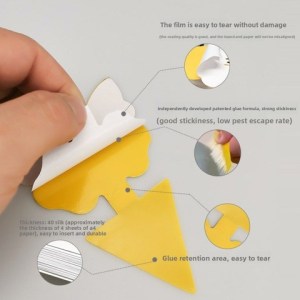
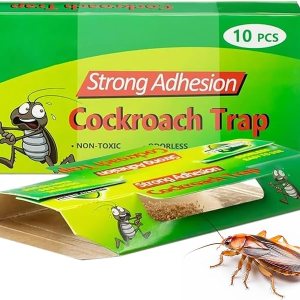
Each set of the insect glue traps contains 10 sticky insect-catching boards: These glue traps feature a highly effective adhesive surface that can securely capture various insects, including cockroaches, spiders and crickets, as well as other indoor pests. Insect Glue Trap insect glue trap insect glue trap insect glue trap insect glue trap insect glue…
Choose Location: Place the cockroach trap in areas where cockroaches frequently appear, such as the kitchen, bathroom, and dark corners.
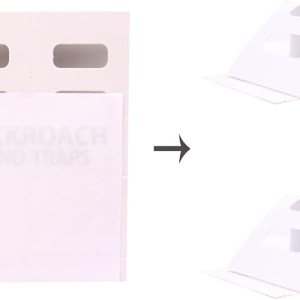
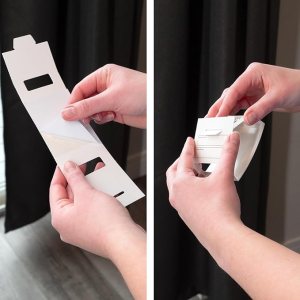
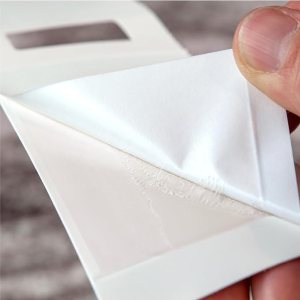
Open Packaging: Follow the product instructions to open the trap, ensuring that the bait and sticky surface are facing outward.
Regular Checks: Periodically check the trap to observe the capture results and replace it with a new one as needed.
Effectiveness: Cockroach traps attract and capture cockroaches, effectively reducing their population. They also help monitor cockroach activity and identify the extent of infestations. Since many traps are made from non-insecticidal materials, they are safe to use around family members and pets. Overall, cockroach traps are an effective tool for pest control.
Cockroach traps typically use strong adhesive glue and bait to attract cockroaches. Once a cockroach comes into contact with the trap’s sticky surface, it becomes firmly stuck and cannot escape. The bait used is often made from natural ingredients, such as sugar or plant extracts, to attract cockroaches. Compared to traditional chemical pesticides, cockroach traps do not release harmful gases, making them safer for humans, pets, and the environment.
2. Types of Cockroach Traps
Sticky Traps: The most common type, which uses powerful adhesive to catch cockroaches.
Baited Traps: These traps come with food attractants to increase their appeal, ensuring cockroaches are drawn to the trap.
Non-Insecticidal Eco-Friendly Traps: These traps are made from eco-friendly, non-insecticidal materials and do not contain harmful chemicals.
3. Benefits of Using Cockroach Traps
Safe and Eco-Friendly: Cockroach traps contain no harmful chemicals, making them ideal for households with children or pets.
No Special Skills Required: Using cockroach traps is simple and does not require any specialized skills.
Reduced Chemical Exposure: Cockroach traps avoid the potential dangers associated with chemical insecticides for humans and pets.
Long-Term Effectiveness: Cockroach traps are durable and provide continuous results, as long as they are checked and replaced regularly.
4. How to Use Cockroach Traps
Choose the Right Placement: Place traps in areas where cockroaches are commonly found, such as kitchens, bathrooms, near trash cans, under refrigerators, or near sinks.
Maintain Cleanliness: To increase the effectiveness of the bait, it is important to clean up food scraps and garbage in the area.
Regularly Check: Regularly inspect the traps, remove any trapped cockroaches, and replace the traps to maintain effective pest control.
5. Precautions
Avoid placing traps in areas where children or pets can easily access them. Although the traps are non-insecticidal, they should still be kept out of reach to prevent accidental contact.
To enhance the effectiveness of the traps, also maintain overall home cleanliness, seal cracks and gaps, and reduce potential hiding spots for cockroaches.
If there is a serious cockroach infestation, combining traps with other pest control methods, such as cockroach sprays or calling a professional pest control service, may be necessary.
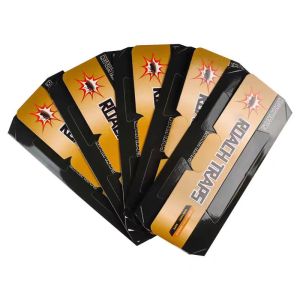
roach trap for home pest control, agriculture, and gardening are effective pest management tools. They not only effectively capture cockroaches and reduce threats to human health and crops but also help achieve environmental goals.